
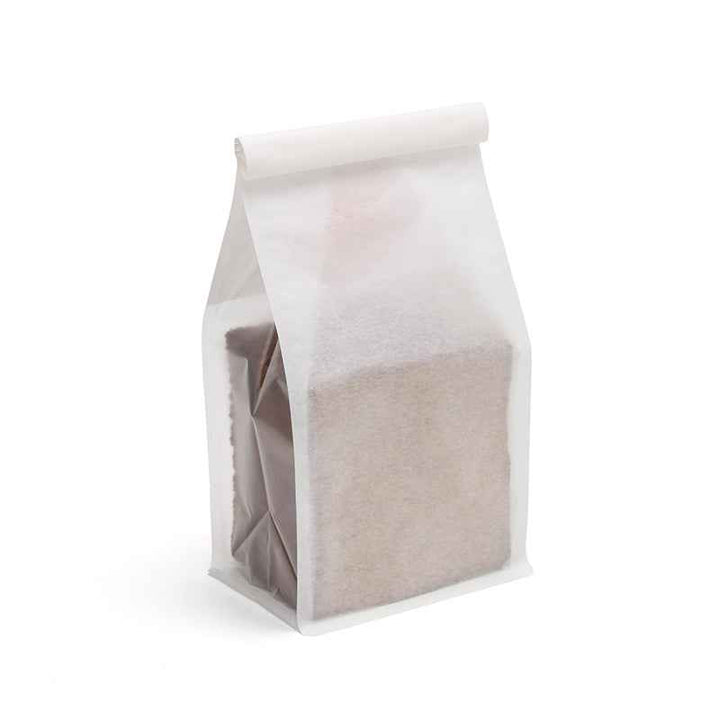
 From the perspective of materials science, high-end pastry packaging usually integrates multiple barrier functions. A common solution is to laminate a PLA bioplastic coating with a thickness of only 18 microns on paper-based materials, which reduces the oxygen transmission rate to below 15 cc/m²/day and effectively extends the shelf life of cream from 6 hours to 18 hours. In 2024, Swiss manufacturer Tetra Pak launched a smart pastry packaging embedded with a miniature temperature sensor that can record the temperature fluctuations experienced by the product throughout the supply chain with an accuracy of ±0.5°C. This technology enables brand owners to precisely identify the links where the cold chain is disrupted, reducing losses caused by temperature abuse by 40%, while conveying to consumers the brand's attitude of being extremely responsible for quality.
Ultimately, excellent pastry packaging is a high-return investment in brand assets. Data shows that although its unit cost may be 30% to 50% higher than that of ordinary packaging, it can increase the perceived value of the product by up to 80% and directly support a pricing premium of 15% to 25%. According to an analysis by Harvard Business School, brands with outstanding unboxing experiences have an average customer repurchase rate that is 34 percentage points higher than that of ordinary brands. When a cake box printed with an exquisite gilded logo is retained and reused by customers, it transforms from a container into a household item that continuously spreads the brand's aesthetic, and its advertising lifespan extends from a few minutes to several months. Under this model, packaging is no longer merely a cost but the most direct point of contact for brands to establish long-term emotional connections with consumers.
From the perspective of materials science, high-end pastry packaging usually integrates multiple barrier functions. A common solution is to laminate a PLA bioplastic coating with a thickness of only 18 microns on paper-based materials, which reduces the oxygen transmission rate to below 15 cc/m²/day and effectively extends the shelf life of cream from 6 hours to 18 hours. In 2024, Swiss manufacturer Tetra Pak launched a smart pastry packaging embedded with a miniature temperature sensor that can record the temperature fluctuations experienced by the product throughout the supply chain with an accuracy of ±0.5°C. This technology enables brand owners to precisely identify the links where the cold chain is disrupted, reducing losses caused by temperature abuse by 40%, while conveying to consumers the brand's attitude of being extremely responsible for quality.
Ultimately, excellent pastry packaging is a high-return investment in brand assets. Data shows that although its unit cost may be 30% to 50% higher than that of ordinary packaging, it can increase the perceived value of the product by up to 80% and directly support a pricing premium of 15% to 25%. According to an analysis by Harvard Business School, brands with outstanding unboxing experiences have an average customer repurchase rate that is 34 percentage points higher than that of ordinary brands. When a cake box printed with an exquisite gilded logo is retained and reused by customers, it transforms from a container into a household item that continuously spreads the brand's aesthetic, and its advertising lifespan extends from a few minutes to several months. Under this model, packaging is no longer merely a cost but the most direct point of contact for brands to establish long-term emotional connections with consumers.
Filed under Materials, Packaging & Textiles · About the author
East Coast Sports News