
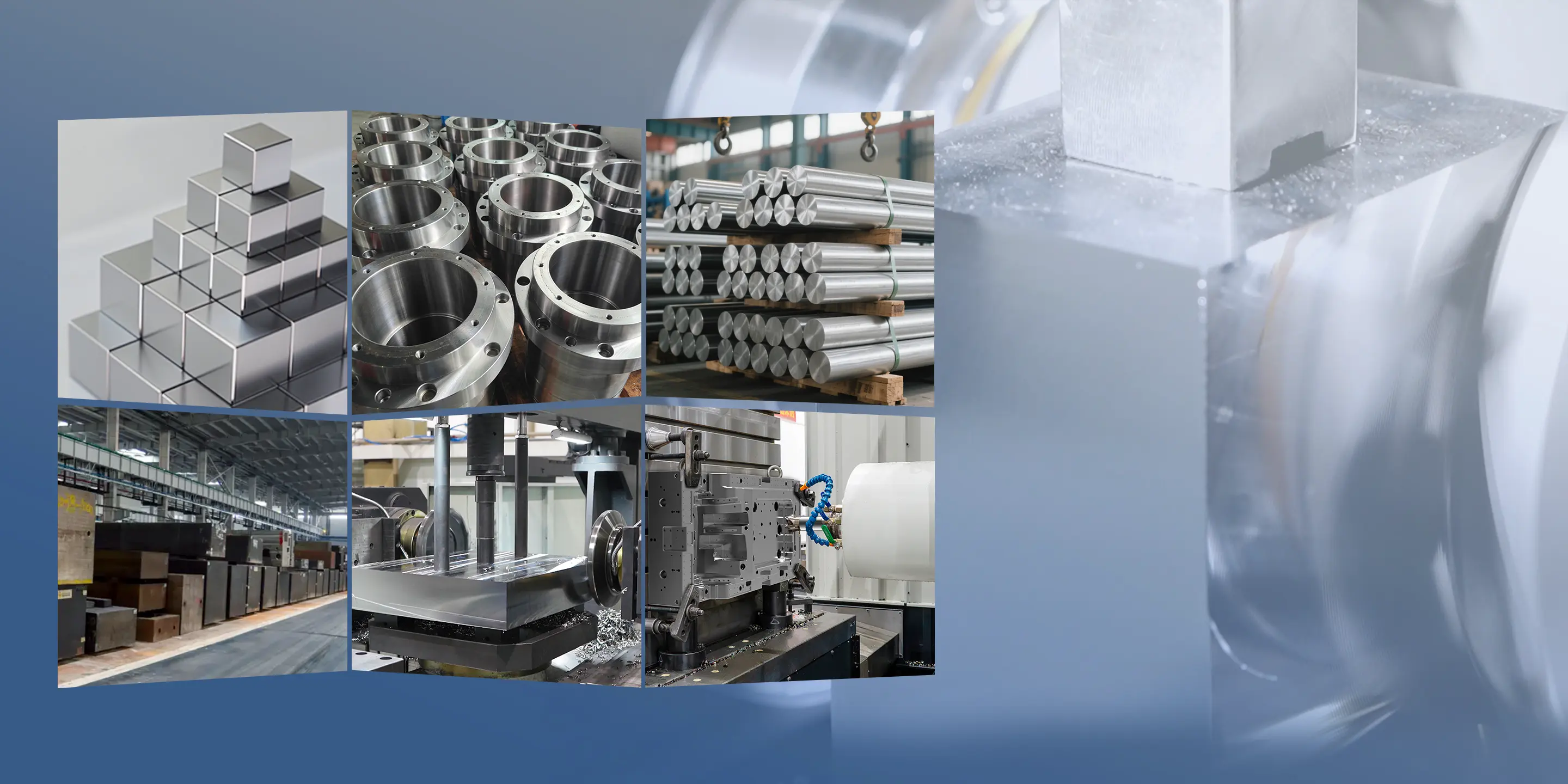
 In extreme dynamic pressure scenarios, the energy absorption characteristics of steel blocks are particularly crucial. Ballistic protection tests show that the AR500 wear-resistant steel block with a thickness of 200 millimeters can withstand the impact of armor-piercing projectiles with an initial speed of 950 meters per second. The peak deceleration of the projectile reaches 15,000 grams, and the height of the deformation and protrusion on the back of the steel plate is controlled within 3 millimeters. In contrast, Invar steel blocks (containing 36% nickel) used in the aerospace field have a thermal expansion coefficient of less than 1.5×10^(-6)/K within the temperature range of -196℃ to 200℃, ensuring that the dimensional stability error of liquid oxygen storage tanks does not exceed 0.1 mm under a working pressure of 21 megapascals.
From the perspective of full life cycle cost analysis, the selection of high-pressure steel blocks directly affects the reliability of the system. According to the 2023 report of Det Norske Veritas, the use of forged steel blocks with optimized design instead of cast steel parts to manufacture the valve bodies of subsea oil trees, although the initial cost increases by 25%, extends the maintenance cycle from 5 years to 15 years and reduces the failure probability from 3% to 0.5%. For instance, in the Brazilian subsalt oilfield project, the high-pressure steel block assembly used, through computer simulation, optimized the stress concentration coefficient from 2.8 to 1.3, reducing the annual unplanned downtime of the equipment under 70 megapascals by 85%, and saving approximately 1.2 million US dollars in operating costs annually for a single system.
Innovative materials engineering is continuously expanding the pressure tolerance boundaries of steel blocks. The latest gradient structure steel block developed by the Metal Composite Materials Laboratory has a surface hardness of HV600 while maintaining the toughness of HV250 in the core. In the variable-amplitude pressure test simulating shale gas extraction (with a pressure fluctuation range of 20-140 megapascals and a frequency of 0.5Hz), its crack growth rate is 60% lower than that of the homogeneous steel block. This technology has been applied to the constrained steel blocks of Tesla's 4680 battery module. Under a stacking pressure of 200 tons, it still maintains a flatness of 0.01 millimeters, significantly increasing the energy density of the battery pack to 300Wh/kg while reducing the risk of thermal runaway by 40%.
In extreme dynamic pressure scenarios, the energy absorption characteristics of steel blocks are particularly crucial. Ballistic protection tests show that the AR500 wear-resistant steel block with a thickness of 200 millimeters can withstand the impact of armor-piercing projectiles with an initial speed of 950 meters per second. The peak deceleration of the projectile reaches 15,000 grams, and the height of the deformation and protrusion on the back of the steel plate is controlled within 3 millimeters. In contrast, Invar steel blocks (containing 36% nickel) used in the aerospace field have a thermal expansion coefficient of less than 1.5×10^(-6)/K within the temperature range of -196℃ to 200℃, ensuring that the dimensional stability error of liquid oxygen storage tanks does not exceed 0.1 mm under a working pressure of 21 megapascals.
From the perspective of full life cycle cost analysis, the selection of high-pressure steel blocks directly affects the reliability of the system. According to the 2023 report of Det Norske Veritas, the use of forged steel blocks with optimized design instead of cast steel parts to manufacture the valve bodies of subsea oil trees, although the initial cost increases by 25%, extends the maintenance cycle from 5 years to 15 years and reduces the failure probability from 3% to 0.5%. For instance, in the Brazilian subsalt oilfield project, the high-pressure steel block assembly used, through computer simulation, optimized the stress concentration coefficient from 2.8 to 1.3, reducing the annual unplanned downtime of the equipment under 70 megapascals by 85%, and saving approximately 1.2 million US dollars in operating costs annually for a single system.
Innovative materials engineering is continuously expanding the pressure tolerance boundaries of steel blocks. The latest gradient structure steel block developed by the Metal Composite Materials Laboratory has a surface hardness of HV600 while maintaining the toughness of HV250 in the core. In the variable-amplitude pressure test simulating shale gas extraction (with a pressure fluctuation range of 20-140 megapascals and a frequency of 0.5Hz), its crack growth rate is 60% lower than that of the homogeneous steel block. This technology has been applied to the constrained steel blocks of Tesla's 4680 battery module. Under a stacking pressure of 200 tons, it still maintains a flatness of 0.01 millimeters, significantly increasing the energy density of the battery pack to 300Wh/kg while reducing the risk of thermal runaway by 40%.
Filed under Materials, Packaging & Textiles · About the author
East Coast Sports News