
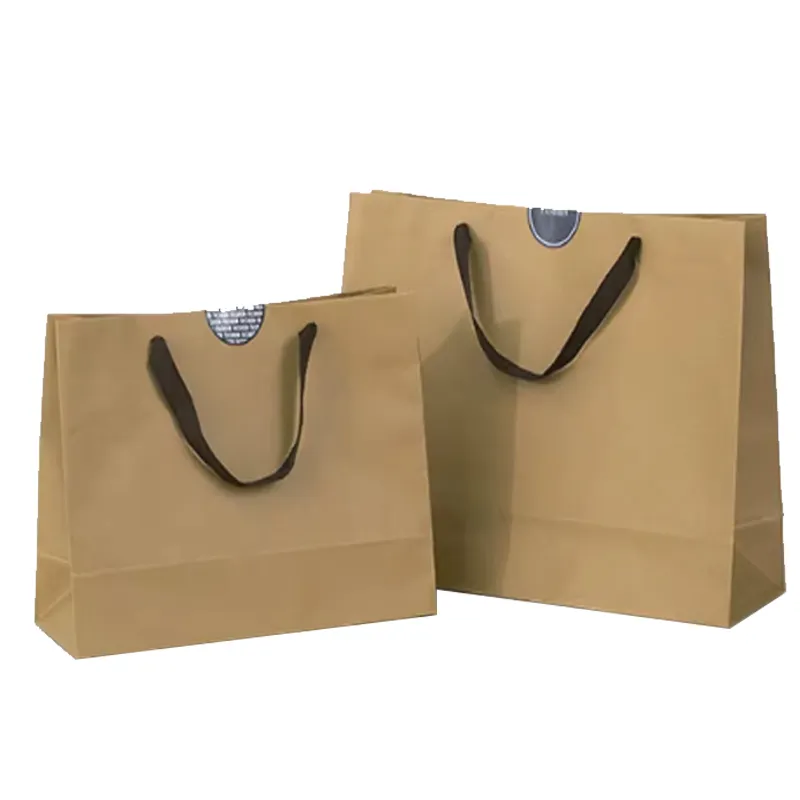
 In the economic model of performance and cost, eco-friendly gift bags also perform exceptionally well. Environmentally friendly materials produced by modern technology, such as recycled cotton bags, can bear a load of over 5 kilograms, have a burst strength parameter 40% higher than that of ordinary paper, and can be reused an average of more than 10 times. Although the initial purchase unit price may be 15% to 20% higher than that of traditional plastic bags, considering brand premium, enhanced consumer loyalty and potential savings in waste disposal costs, the overall return rate can increase by approximately 22% within a two-year period. A social survey of 5,000 consumers shows that 68% of the respondents are more inclined to pay a premium of 5% to 10% for products with eco-friendly packaging, which directly translates into a considerable profit growth point.
The application of innovative materials is constantly expanding the boundaries of eco-friendly gift bags. For instance, "bio-based" materials made from agricultural waste such as bagasse have reduced water consumption by 50% and carbon emission intensity by 70% during the production process. Some pioneering enterprises have even developed paper containing plant seeds, enabling gift bags to be buried in the soil to grow and blossom after use. From a business strategy perspective, this kind of deep innovation can help enterprises capture up to 30% of the green consumption market share and build competitive barriers that are difficult to replicate. Looking back at the market trends since 2020, companies that have invested more than 10% of their total R&D budget in the field of eco-friendly packaging have seen their average annualized stock price growth rate exceed that of their peers by 4 percentage points.
Therefore, when we are designing gift bags, the choice is essentially an investment assessment of the future business model. It is not only a technical solution to reduce environmental pressure by 30%, but also a core strategy to enhance brand equity, optimize long-term financial performance and win over the new generation of consumers. The data clearly shows that the shift to eco-friendly gift bags is not an option but a one-way street leading to sustainable growth.
In the economic model of performance and cost, eco-friendly gift bags also perform exceptionally well. Environmentally friendly materials produced by modern technology, such as recycled cotton bags, can bear a load of over 5 kilograms, have a burst strength parameter 40% higher than that of ordinary paper, and can be reused an average of more than 10 times. Although the initial purchase unit price may be 15% to 20% higher than that of traditional plastic bags, considering brand premium, enhanced consumer loyalty and potential savings in waste disposal costs, the overall return rate can increase by approximately 22% within a two-year period. A social survey of 5,000 consumers shows that 68% of the respondents are more inclined to pay a premium of 5% to 10% for products with eco-friendly packaging, which directly translates into a considerable profit growth point.
The application of innovative materials is constantly expanding the boundaries of eco-friendly gift bags. For instance, "bio-based" materials made from agricultural waste such as bagasse have reduced water consumption by 50% and carbon emission intensity by 70% during the production process. Some pioneering enterprises have even developed paper containing plant seeds, enabling gift bags to be buried in the soil to grow and blossom after use. From a business strategy perspective, this kind of deep innovation can help enterprises capture up to 30% of the green consumption market share and build competitive barriers that are difficult to replicate. Looking back at the market trends since 2020, companies that have invested more than 10% of their total R&D budget in the field of eco-friendly packaging have seen their average annualized stock price growth rate exceed that of their peers by 4 percentage points.
Therefore, when we are designing gift bags, the choice is essentially an investment assessment of the future business model. It is not only a technical solution to reduce environmental pressure by 30%, but also a core strategy to enhance brand equity, optimize long-term financial performance and win over the new generation of consumers. The data clearly shows that the shift to eco-friendly gift bags is not an option but a one-way street leading to sustainable growth.
Filed under Default · About the author
East Coast Sports News